
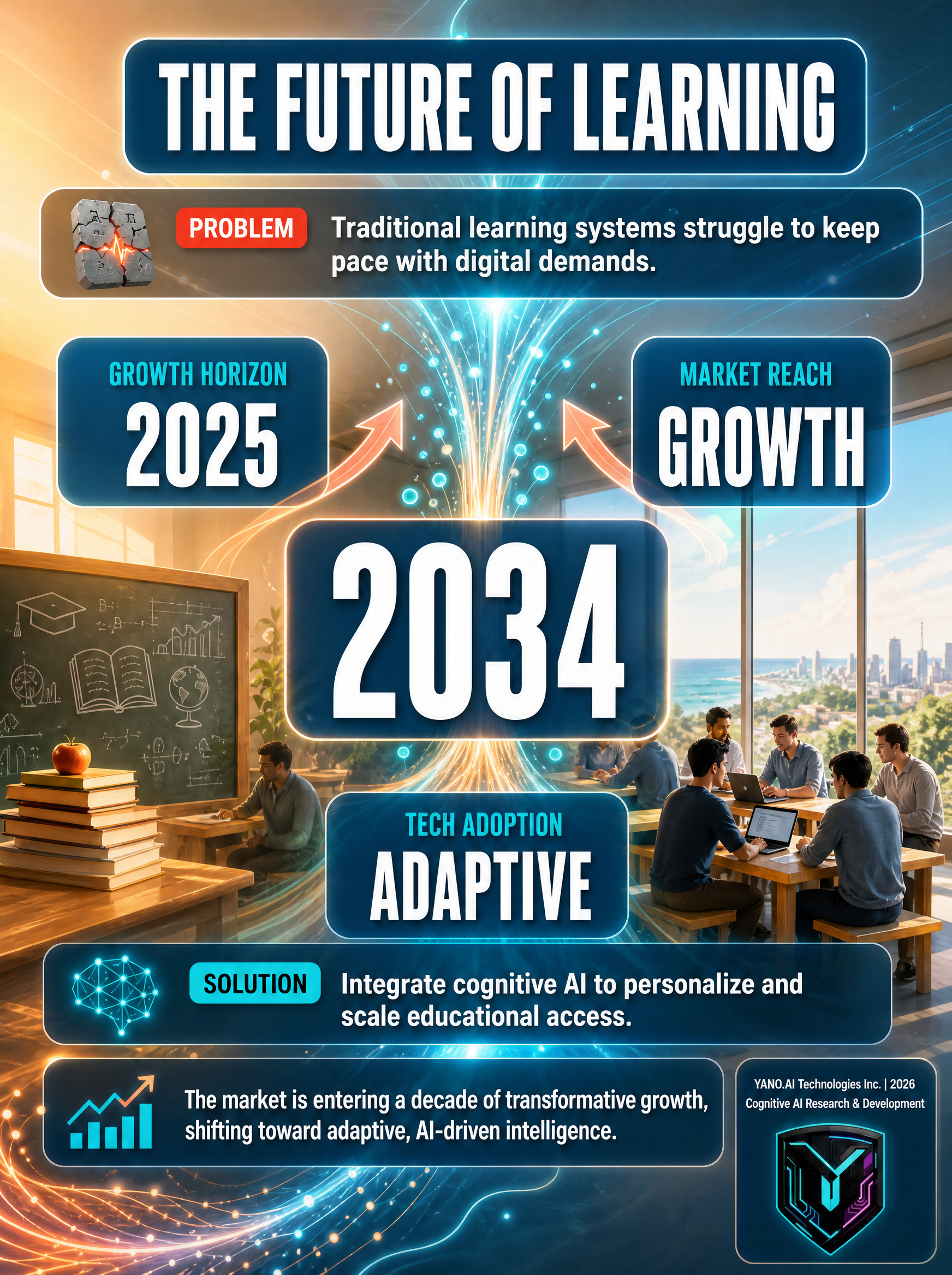
By 2034, the Philippine EdTech market will reach USD 2.9 Billion, up from USD 1.1 Billion in 2025. (Source: OpenPR, 2026) This growth reflects not just spending but a structural shift in how learning happens across the archipelago. Yet scaling AI in education demands more than isolated pilots; it requires a coherent architectural vision that aligns technology, policy, and human capacity at every level of the system.
Designing a National AI Learning Infrastructure
The CHED RAISE 2026 summit convened leaders from CHED, DepEd, TESDA, SUCs, private HEIs, LGUs, and industry to outline a roadmap targeting 10,000 AI developers, 3,000 AI engineers, and 2,000 AI experts. (Source: SISFU, 2026) This initiative recognizes that sustainable AI integration needs layered talent pipelines rather than short-term workshops. Architecture must therefore include clear pathways for upskilling educators alongside student learning trajectories.
The summit also emphasized responsible and inclusive AI adoption as a guiding principle rather than an afterthought. This means designing systems that accommodate students with disabilities, learners in remote areas without reliable internet, and communities whose languages are not yet represented in mainstream AI models. Infrastructure architecture must prioritize accessibility and equity from the ground up.
Embedding AI in Core Learning Tools
DepEd's collaboration with Microsoft introduces AI-powered Learning Accelerators that automate reading fluency checks and provide actionable insights for teachers. (Source: Microsoft, 2026) Tools like Reading Progress have demonstrated impact: in Bais and Dumaguete, over 14,000 learners across 61 schools were assessed, while Cabanatuan City reported 100% of learners in three districts advancing to higher literacy levels. (Source: Microsoft, 2026) Embedding such AI aids directly into instructional workflows reduces teacher workload while generating data for personalized interventions.
These results show that AI tools are most effective when they augment rather than replace teacher judgment. The architecture supporting these tools must therefore include features that keep educators in control: transparent recommendations, clear explanations of AI-generated assessments, and simple override mechanisms when human judgment differs from machine output.
Scaling Responsible AI Across Diverse Contexts
The AGAP.AI program launched in January 2026 aims to train 1.5 million students, teachers, and parents in AI literacy nationwide. (Source: OpenPR, 2026) Deploying AI at this scale demands architectural decisions around data privacy, algorithmic bias, and infrastructure readiness. For instance, ensuring AI tools function reliably in areas with intermittent connectivity requires edge-computing capabilities or offline-first designs. Architecture must also incorporate feedback loops from diverse user groups to continuously refine models and interfaces.
Data privacy becomes especially critical when dealing with minors. A robust architecture establishes clear data governance policies specifying what student information is collected, how it is stored, who can access it, and when it must be deleted. Without these guardrails, even well-intentioned AI deployments risk eroding public trust.
Connecting Policy to Classroom Implementation
CHED's RAISE framework emphasizes responsible and inclusive AI integration, yet policy alone does not change classroom practice. (Source: SISFU, 2026) Effective architecture translates high-level guidelines into concrete technical standards: interoperability between learning management systems, data formats for student progress tracking, and API standards for third-party AI content providers. Without these specifications, innovation remains fragmented and difficult to evaluate at system level.
Interoperability standards also matter for resource allocation. When schools and districts invest in AI tools, they need confidence that those investments will remain functional as policies evolve. A fragmented landscape where each vendor uses proprietary formats creates switching costs that disadvantage smaller schools with limited budgets.
Enabling Local Innovation Through Open Standards
A national AI education architecture should lower barriers for Filipino edtech startups and researchers to contribute solutions. (Source: SISFU, 2026) Adopting open standards for credentialing, content packaging, and assessment invites broader participation while avoiding vendor lock-in. This approach also supports the growth of homegrown AI tools that reflect local languages, cultures, and pedagogical needs, which is critical for relevance and adoption.
Nearly 45 percent of job postings across the Asia-Pacific region now require digital competencies, highlighting the urgency of preparing graduates for an AI-infused workforce. (Source: Manila Bulletin, 2026) Architecture that supports local innovation ensures education systems can respond to evolving labor market demands faster than waiting for international vendors to develop Philippines-specific solutions.
FAQ
Q: How does AI architecture differ from simply deploying AI tools in schools?
A: AI architecture defines the underlying structures, data models, interoperability standards, talent pathways, and governance policies that enable coherent, scalable, and sustainable deployment of AI tools across an education system. It ensures individual innovations work together rather than creating isolated silos.
Q: What role do teachers play in an AI-centric learning architecture?
A: Teachers remain central as facilitators, interpreters of AI-generated insights, and designers of learning experiences. Architecture must support them with intuitive tools, relevant training, and clear guidelines on when and how to augment their judgment with AI recommendations.
Q: Why is infrastructure readiness crucial for AI in Philippine education?
A: Varied internet connectivity and device availability across regions mean AI solutions must function effectively in low-bandwidth or offline environments. Architecture that ignores these realities risks exacerbating inequality rather than bridging it.
Key Takeaway
Building AI architecture for Philippine education means creating a foundation where technology serves learning goals, empowers educators, and adapts to local contexts. What priorities should policymakers, educators, and technologists address first to ensure this foundation is both strong and flexible enough to evolve with the needs of Filipino learners?
Sources
Sources — external references open in a new tab.